
Lofts and voids
Animal-waste contamination in lofts and voids
Signs that a loft, cavity or void needs controlled cleaning before it is used again.
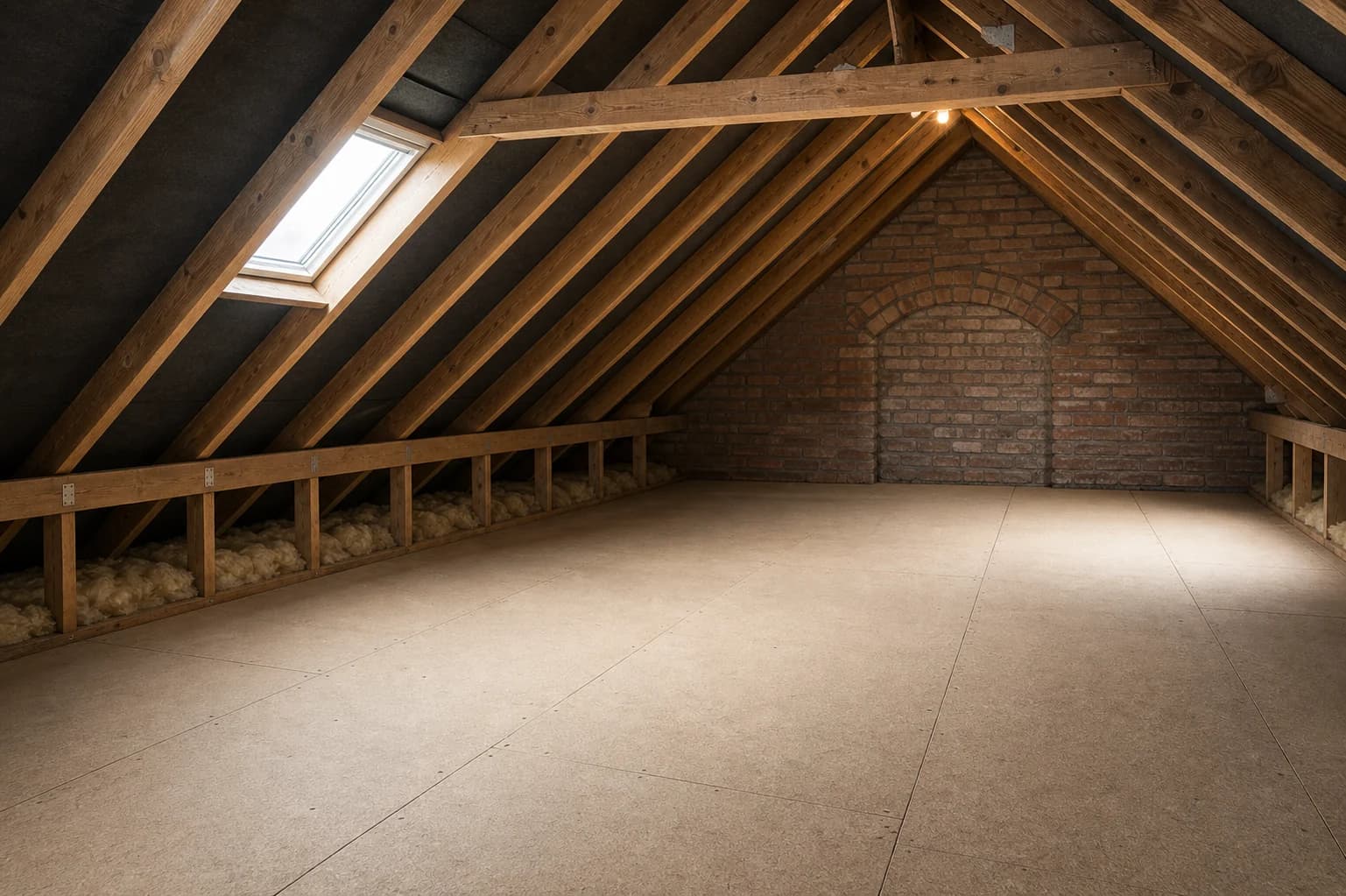
Lofts, wall cavities and underfloor voids can hold contamination for a long time because they are rarely inspected and often have limited light or ventilation.
Common warning signs include visible waste deposits, stained insulation, damaged stored items, nesting material and a persistent ammonia-like smell.
Avoid sweeping, vacuuming or handling contaminated material yourself. Disturbing dry waste can spread dust and biological residue through the space.
If the source issue is still active, arrange the appropriate prevention work before decontamination. Cleaning is most effective once the cause has been dealt with.
A specialist clean usually starts with access planning, safe removal of contaminated material, controlled bagging, surface cleaning and deodorising where needed.
Insulation, cardboard boxes and porous stored items may need to be removed if they have absorbed odour or contamination.
After cleaning, the space should be left clear enough to inspect, store items safely and spot any future issue early.
Ask for clear handover notes so you know what was removed, what was treated and what prevention steps are recommended.
Need help with this?
If you are dealing with a situation covered in this guide, call us for advice or to arrange a visit.
Related services
Services connected to this guide
Common situations
Related cleaning situations
Bradford
Loft decontamination after animal-waste contamination in Bradford
A contaminated loft may need safe waste removal, surface cleaning and prevention advice before it can be used for storage again.
Ilkley
Loft clearance for an Ilkley period property
A large loft in an older property may need careful access planning, systematic clearance and a clean handover.